
Run toward the problem
There is a fine line between thinking your way to action and thinking your way out of it. Decision making delay is almost always the second one, dressed up as the first.
By The Solutionist Agenda
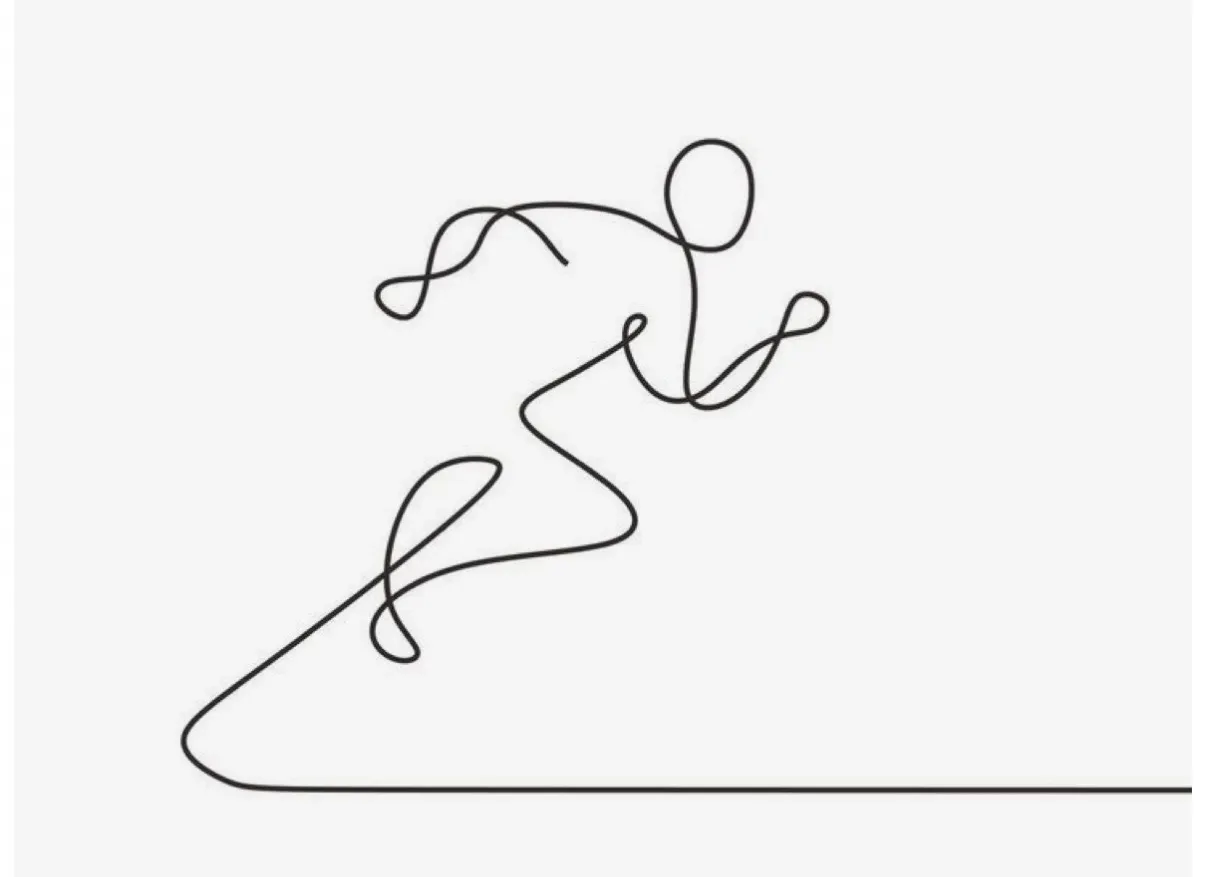
Leadership doctrine often invokes the first responder metaphor; the imperative that an effective emergency response demands that you run toward the roar. So I am not bringing you a new concept with this one, but I am inviting some new thinking that I hope you can make your own.
I am also happy to join an established chorus calling for courage and conviction in decision making because this is one I just see all too often. All the time, in fact.
It might be the most widely canvassed but narrowly applied approach to problem solving that I can think of. So I want to do my bit to change this unhelpful calculus. I want you to know it when you see it, and instinctively understand what is happening around you when you do.
Our scenario is this. A problem announces itself, uncomfortable and inconvenient and probably embarrassing. The whole apparatus of a capable organisation quietly arranges itself around a problem. It tasks itself with conceptually relevant, but safe, solution avoidant undertakings. In doing so you might begin to note that it is in fact setting itself up to move away from the problem while looking, to the untrained eye, like it is moving toward it.
The last two weeks were about knowing where you are going: end state engineering, and the TARGET method to get there. This is the companion discipline. Because once you know the destination, the enemy is no longer confusion. It is delay.
And delay wears a disguise.
Thinking avoidance and thinking action look almost identical
This is what makes it so hard to catch. The avoidance looks productive. It looks, in fact, exactly like diligence. But this is the trap, it is the siren sound of diversion.
Thinking avoidance is doing everything except the thing you already know you will have to do. It is where you commission another analysis, when in truth you already have enough of what you need. It is where you seek a second opinion on what you pretend is a different question to the first. It is where you convene the group again for incremental purpose. It is where you ask for more advice on a question the advice has already answered.
Every one of those can be written up, honestly, in a board paper, as being thorough.
Thinking action looks nearly identical from the outside; same meetings, same documents, same serious faces. The difference is not the activity. It is the intent, and the tempo. Thinking action gathers what it needs, fast, in order to move. Thinking avoidance gathers indefinitely in order not to.
Let me be clear, because this is where people can get me wrong on this one and fall into convenient disagreement. Being informed is not optional. You cannot run at a problem blindfolded, and I am not arguing for recklessness. Information matters enormously.
But it is an immediate concern, not a standing one. A fast, bounded sprint to get you into position; not a comfortable room you get to live in while the problem waits outside the door.
Too often that is exactly what it becomes. An illusory pressure release valve. A way for the decision maker to feel, privately, that something is happening, while nothing that touches the actual problem is happening at all.
Leaders have to notice this on their watch. And they have to jump on it.
The tell is time
So how do you tell the two apart, in the moment, when both look like diligence?
Ask the team the question: when does this stop, and what decision does it unlock? A clear answer means you are informing an action. A vague one, or a bar for 'enough' that keeps quietly sliding, means you are watching avoidance; and it does not matter one bit how senior or how sincere the people doing it are.
Two moves follow. You can make both in a meeting today.
Name what the meeting or action unlocks, and why. When you catch yourself, or your team, reaching for one more input, ask out loud what decision it will trigger, and by when? If nobody in the room can answer, you have found the avoidance. Naming it is usually enough to break it.
Then, put a clock on it. Information collection gets a deadline, a short one, set by the decision and not by your comfort. 'We will know enough by 10:00 Thursday' is a leadership act. 'We will keep looking into it' is not.
The reframe
Diligence and avoidance wear the same suit. The only way to tell them apart is to ask what the work is for, and by when.
If we are honest about that, out loud and in the room, most of the hiding stops on its own.
Next week: what it actually costs you when the hiding does not stop. Because waiting is never neutral, and there is a line where delay stops being caution and becomes fault.
Steve
The Solutionist Agenda. Clear thinking. Problems solved.
Subscribe